Bluebells Bloom Weeks Ahead After Unseasonably Wet Spell
Unusually wet conditions have caused bluebells to bloom earlier than at any time in recent decades, signalling a shift in seasonal patterns.
Stella Florence is a lifestyle author covering fashion, travel, wellness, faith, food, and home living. She shares practical, well-researched advice to inspire readers to live healthier, happier lives and discover the joy of making life amazing with God at its centre.
4/20/20265 min read


Capturing the Beauty: Photography Tips for Bluebell Season
Photographing bluebells during their blooming season can be a rewarding experience, providing an opportunity to capture nature's vibrant colors. To achieve stunning images of these delicate flowers, it is essential to consider various factors, including timing, composition, and camera settings.
One of the most crucial aspects to keep in mind is timing. Bluebells bloom at different times depending on the weather conditions, but generally, the ideal period is from late April to early May. Early morning or late afternoon offers the best natural lighting, illuminating the flowers while casting soft shadows, enhancing their form and texture.
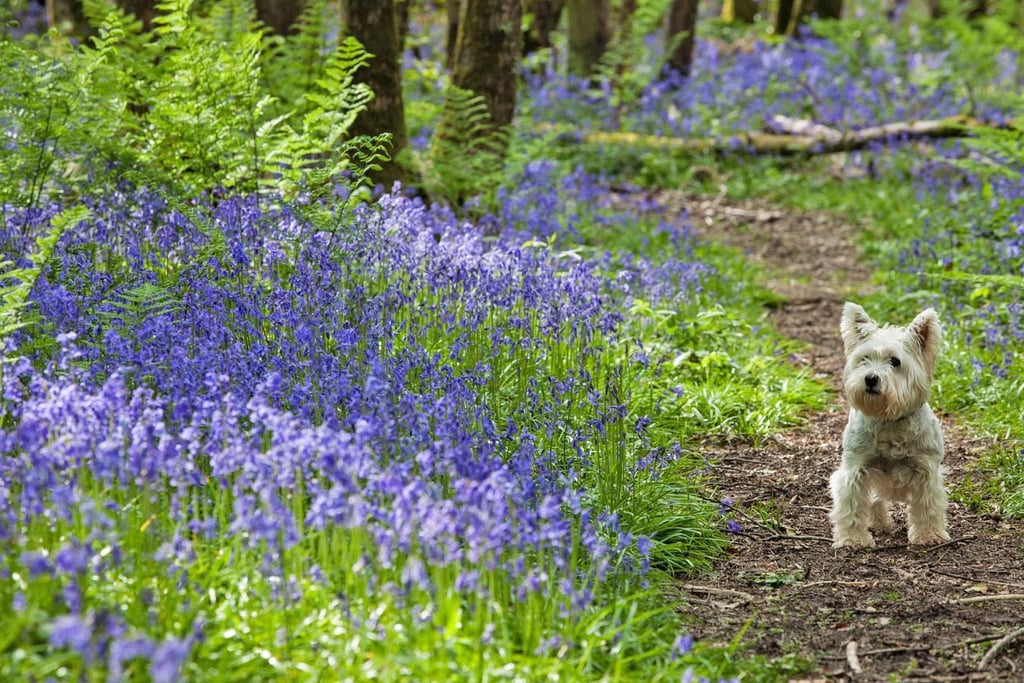
In terms of angles, it is advisable to explore various perspectives. Shooting at ground level can bring depth to your photos and create a sense of immersion. Additionally, a slightly elevated angle can capture the expanse of the bluebell carpet, often creating a mesmerizing visual effect. Consider framing your shots to include elements such as trees or pathways that can provide context for the bluebells.
When it comes to camera settings, utilizing a wide aperture (such as f/2.8 or f/4) allows for a pleasing bokeh effect, which keeps the focus on the flowers while gently blurring the background. This technique emphasizes the intricate details of individual blooms. Alternatively, a smaller aperture (f/11 or f/16) can ensure more of the scene is in focus, which is ideal for capturing vast fields of bluebells.
Finally, do not forget to consider the composition of your photographs. The rule of thirds can guide you in placing focal points off-center, creating a more dynamic image. Incorporating leading lines or using natural frames, such as tree branches, can draw the viewer’s eye towards the vibrancy of the bluebells.
By applying these tips, photographers and nature enthusiasts alike can effectively immortalize the ephemeral beauty of bluebell season, creating imagery that resonates with the joy and tranquility of springtime.



The Impact of Weather Patterns on Bluebells
Bluebells, recognized for their breathtaking beauty, are significantly influenced by prevailing weather patterns, a factor that has been particularly noteworthy in recent seasons. The early blooming of bluebells this year can largely be attributed to a combination of increased rainfall, milder temperatures, and intermittent sunshine, which together have fostered a conducive environment for their growth. These weather conditions have facilitated a remarkable scenario where the flowers emerge earlier than they have in decades.
Historically, bluebells tend to bloom in late spring, following a typical pattern established by seasonal climate conditions. In previous years, extended periods of cold weather or unseasonably dry spells would often delay their growth, leading to a more staggered blooming phase. However, the recent climatic shifts marked by above-average precipitation have transformed this customary timeline. The ample moisture saturating the soil provides bluebells with the hydration they require to thrive, and coupled with milder temperatures, their growth cycle has advanced significantly.
Furthermore, the intermittent bursts of sunshine have played an essential role in the blooming process. Sunlight is critical for photosynthesis, allowing bluebells to generate the necessary energy for sprouting and flowering. This year’s unique combination of weather conditions has resulted in an unusually vibrant and abundant display of bluebells across various regions. Observing the landscape adorned with these flowers earlier than expected underscores a critical interplay between weather patterns and the natural world. It is essential to note that such phenomena not only captivate the eye but also prompt deeper considerations regarding the broader implications of climate changes on ecosystems.
The Science Behind Bluebell Growth
Bluebells (Hyacinthoides non-scripta) are a cherished sight in woodlands across Europe, particularly due to their stunning blue blooms which form enchanting carpets in spring. Their growth is governed by various biological processes that are intricately linked to environmental factors. Understanding the mechanisms of germination, growth cycles, and climatic influences is essential to appreciating the early blooming patterns observed this year.
The germination of bluebells begins when seeds undergo a chilling period, known as dormancy, which protects them until conditions are optimal. Germination is triggered primarily by temperature and moisture levels. With the unprecedented wetter weather experienced recently, the soil’s moisture content has significantly increased, providing an ideal medium for the seeds to sprout. Consequently, bluebells are not only able to germinate earlier but can also absorb nutrients more effectively, optimizing their growth.
Bluebells exhibit a biennial growth cycle, where they initially invest energy in establishing their root systems before producing flowers in the following years. With the right balance of light, temperature, and moisture, the flowering process can be accelerated. It has been observed that plants thriving in wetter conditions often display enhanced metabolic activity, thereby leading to more robust growth and earlier blooms. This year’s rain-soaked environment has favorably influenced this cycle.
Additionally, the unique adaptations of bluebells to thrive in damp habitats, such as their ability to establish extensive underground bulb systems, contribute significantly to their resilience. These bulbs store nutrients and water, providing adequate sustenance during dry spells. Such characteristics enable bluebells to not only survive but flourish in wetter conditions, which is reflected in their early blooming this decade. This interaction between biological processes and environmental conditions is pivotal in the study of bluebells.
A Preview of the Floral Display Across the Country
As the warmer weather graces the country, this year is marked by an exceptional bluebell bloom, occurring earlier than in recent decades due to a combination of favorable climatic conditions. Across various regions, these delicate flowers are expected to blanket the woods and fields in vibrant hues of blue, captivating visitors and nature enthusiasts alike. The basking sunshine paired with the right amount of precipitation has proven to be an excellent stimulant for the bluebells, prompting experts to anticipate thriving displays in numerous locations.
One particularly celebrated region for bluebell viewing is the Forest of Dean in Gloucestershire. Renowned for its dense woodlands, this area is expected to exhibit a spectacular array of bluebells, with peak blooming times projected for late April to early May. Similarly, the woodlands of Surrey and Kent host vast expanses of bluebells and have been noted for their stunning visual allure. Local botanists suggest that the juxtaposition of ancient trees and flowing blue blooms creates an enchanting setting that attracts both local visitors and tourists.
In addition to these hot spots, several country parks and nature reserves, such as Ashridge Estate in Hertfordshire, will also showcase exquisite bluebell displays. Experts indicate that peak bloom in these areas may occur slightly later, offering diverse experiences for those keen to explore different blooming timelines. The gentle fragrance and vibrant colors of bluebells are expected to create picturesque landscapes that will be particularly enjoyable for photographers and families seeking a rejuvenating outdoor outing.
As the season progresses, the blooming schedule may vary slightly depending on regional microclimates, but overall, this year promises a magnificent floral display that is sure to enchant everyone who comes to witness the bluebells in bloom.
🌷Keukenhof
World's Largest Flower Gardens | Holland's Stunning Spring Flowers 4K WalkTour


RECOMMENDED
You may also like


Advertisement
info@amazinglifestyle.com
© 2026 All rights reserved
Follow us on:

