Exploring Antarctica: A Journey to the Seventh Continent
Antarctica is now within reach—offering unforgettable encounters with wildlife, ice and the fragile beauty of our planet’s most remote region.
Stella Florence is a lifestyle author covering fashion, travel, wellness, faith, food, and home living. She shares practical, well-researched advice to inspire readers to live healthier, happier lives and discover the joy of making life amazing with God at its centre.
4/14/20265 min read


In an age when it feels like every corner of the planet has been explored, it’s surprising that one vast region still remains largely mysterious. Remote, inhospitable and extreme, Antarctica continues to guard secrets that scientists are only beginning to understand.
This frozen continent plays a powerful role in regulating Earth’s systems, influencing global climates and ocean curraents in ways that affect us all.
Covering around 14.2 million square kilometres—roughly one and a half times the size of Europe—Antarctica is immense, both in scale and impact. Known as the coldest, driest and windiest place on Earth, it has long attracted explorers willing to risk everything for discovery.
Figures like Ernest Shackleton and Roald Amundsen became legends here. Today, however, reaching this once-forbidding land is far more achievable, opening the experience to adventurous travellers from around the world.
Interest in visiting Antarctica has surged dramatically. What began as a niche destination for a handful of visitors in the mid-20th century has grown into a booming industry.
Annual visitor numbers, once in the low thousands, have now exceeded 100,000, according to industry organisations.



Modern expedition travel has evolved significantly. Gone are the basic research vessels of the past—today’s ships often resemble luxury hotels, complete with comfortable cabins, wellness facilities and advanced engineering designed to improve safety and reduce environmental impact.
Innovations in ship design allow smoother journeys through rough seas while lowering fuel consumption.
Experiences on these voyages have also expanded. Travellers can paddle through icy waters by kayak, snorkel near floating ice formations, camp overnight on the continent, or even take helicopter excursions to remote wildlife colonies.
Yet for many, the most powerful moments are the simplest: standing on deck, listening to glaciers crack, hearing penguins call across the ice, or watching whales surface in the frigid ocean.
Although Antarctica feels timeless, its history tells a different story. Evidence suggests it was once much warmer and closer to the equator millions of years ago. Today, however, it is undergoing rapid change due to climate shifts.
As tourism increases, responsible travel has become essential. Many operators now involve visitors in scientific research, encouraging them to contribute data that helps monitor environmental changes.
Governed by an international treaty established in 1959, Antarctica remains a unique place dedicated to peace and science. It is not owned by any single nation, yet its future concerns everyone.
Getting there
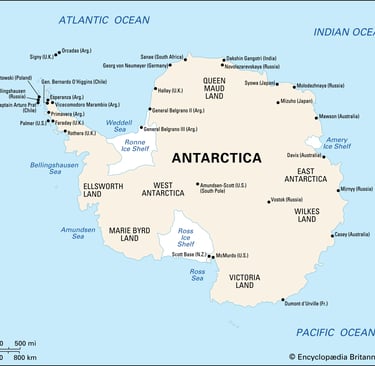
Most travellers visit the Antarctic Peninsula, the most accessible part of the continent. Expedition cruises commonly depart from Ushuaia in Argentina, the southernmost city in the world, or from ports in Chile such as Punta Arenas.
For those wishing to avoid the famously rough Drake Passage, flights are sometimes available to nearby islands, though these are heavily dependent on weather conditions.
More remote journeys depart from New Zealand or Australia, crossing the Ross Sea to reach less-visited regions. These itineraries often include historic exploration sites and opportunities to see rare wildlife, such as emperor penguins.
When to visit
The Antarctic travel season runs from October to March, during the southern summer.
Early-season (October–November) may experience quieter conditions and dramatic lighting, while peak months (December–January) offer abundant wildlife, including penguin chicks.
By March, whale sightings are at their best as marine life becomes more active.
Costs and Planning
Travelling to Antarctica is expensive due to its isolation and logistical challenges.
Prices vary widely depending on the type of trip, ranging from shorter, more basic expeditions to extended luxury journeys costing tens of thousands of pounds.
Booking well in advance is recommended, as smaller ships and specialist trips fill quickly.
Choosing your route
Travellers can opt for a direct visit to the Antarctic Peninsula or choose longer itineraries that include sub-Antarctic islands such as South Georgia and the Falklands.
These regions are particularly rich in wildlife and offer a deeper exploration experience.
Practical tips
Timing can make a big difference. Visiting earlier in the season may mean fewer aggressive animals, while choosing smaller ships can allow more time ashore. Flexibility is key, as weather conditions often dictate daily schedules.
Travellers should also prepare for rough seas, particularly when crossing the Drake Passage.
Antarctica is not just another destination—it is a place that reshapes perspectives. Its scale, silence and raw beauty leave a lasting impression on those who visit.
As access becomes easier, the responsibility to protect this fragile environment becomes even more important. Though it belongs to no one nation, its preservation is a shared global duty.
Frequently Asked Questions
What is the best time to visit Antarctica?
The Antarctic travel season runs from November to March, during the Southern Hemisphere summer. Wildlife sightings, weather conditions, and daylight hours vary throughout the season, with February and March being excellent months for whale watching.
How do you get to Antarctica?
Most travellers reach Antarctica by expedition cruise departing from Ushuaia, Argentina. Some itineraries also fly from Punta Arenas, Chile, to King George Island before boarding a ship.
Do you need a visa to visit Antarctica?
Antarctica has no government that issues tourist visas. However, you'll need to meet the entry requirements for the country you depart from (such as Argentina or Chile), and your expedition operator will arrange the necessary permits and environmental compliance.
Is Antarctica safe for tourists?
Yes. Travel is generally safe when undertaken with experienced expedition operators that follow strict environmental and safety regulations. Weather conditions can change rapidly, so itineraries remain flexible.
Can anyone visit Antarctica?
Most healthy adults can visit Antarctica on an expedition cruise. Some activities, such as kayaking or camping, may have additional fitness requirements depending on the operator.
What wildlife can you see in Antarctica?
Visitors commonly encounter penguins, seals, whales, seabirds, and occasionally orcas. Wildlife sightings depend on the season and location.
How cold is Antarctica in summer?
During the tourist season, temperatures along the Antarctic Peninsula typically range from -2°C to 8°C (28°F to 46°F), although wind can make it feel much colder.
How long is an Antarctica expedition?
Most cruises last 10 to 21 days, depending on the itinerary. Longer expeditions may include the Falkland Islands and South Georgia.
Is Antarctica expensive to visit?
Yes. Antarctica is one of the world's most exclusive destinations due to its remote location, specialised ships, and strict environmental regulations. Prices vary based on the itinerary, cabin type, and season.
How can travellers help protect Antarctica?
Choose an expedition operator that follows internationally recognised environmental guidelines, respect wildlife viewing distances, clean footwear before landings, and never leave anything behind. Responsible tourism helps preserve Antarctica's fragile ecosystems.
Helpful Resources
These official resources can help you plan a safe and responsible journey to Antarctica:
International Association of Antarctica Tour Operators (IAATO) – https://iaato.org/
Learn about responsible Antarctic tourism, member expedition operators, visitor guidelines, and planning advice.IAATO – Visiting Antarctica Guide – https://iaato.org/visiting-antarctica
Essential information on preparing for your expedition and visiting responsibly.IAATO – Visitor Guidelines – https://iaato.org/visiting-antarctica/during-your-visit/
Official guidance on protecting Antarctica's unique environment during your visit.Antarctic Treaty Information – https://iaato.org/faqs/what-is-the-antarctic-treaty/
Understand the international agreement that protects Antarctica as a natural reserve devoted to peace and science.British Antarctic Survey – https://www.bas.ac.uk/
A trusted source for Antarctic science, climate research, wildlife, and educational resources.National Geographic – Antarctica – https://www.nationalgeographic.com/environment/topic/antarctica
Explore articles, photography, and documentaries about Antarctica's landscapes, wildlife, and conservation.
RECOMMENDED
10 Best Places to Visit in Switzerland in Summer
1
1
You may also like


Advertisement
info@amazinglifestyle.com
© 2026 All rights reserved
Follow us on:

