Verse of the Day: For God so loved the world, that he gave his only begotten Son, that whosoever believeth in him should not perish, but have everlasting life. John 3:16 KJV
Japanese Walking for Weight Loss: The Easy 30-Minute workout that is transforming fitness in 2026
Discover how Japanese walking for weight loss can help you burn fat, improve your heart health, and boost energy with a simple 30-minute interval walking workout. Includes a beginner-friendly 30-day Japanese walking calendar.
Stella Florence is a lifestyle author covering fashion, travel, wellness, faith, food, and home living. She shares practical, well-researched advice to inspire readers to live healthier, happier lives and discover the joy of making life amazing with God at its centre.
5/10/20265 min read


What Is Japanese Walking and Why Is Everyone Talking About It?
What if one of the most effective workouts for weight loss didn’t require a gym membership, expensive equipment, or punishing high-intensity sessions?
That’s exactly why Japanese walking has become one of the most searched fitness trends this year. This simple interval walking method was developed by researchers in Japan and focuses on alternating between brisk walking and slower recovery periods. The routine is remarkably straightforward: walk fast for three minutes, walk at a relaxed pace for three minutes, and repeat this cycle for 30 minutes.
The appeal of Japanese walking lies in its simplicity. It is accessible to beginners, gentle on the joints, and easy to fit into a busy lifestyle. Unlike complicated exercise plans, this workout requires only a comfortable pair of walking shoes and a safe route outdoors or on a treadmill. Because the intervals raise your heart rate without overwhelming your body, many people find it easier to stick with than more intense forms of exercise.
For anyone searching for a realistic and sustainable way to lose weight, improve cardiovascular health, and build consistency, Japanese walking offers an effective solution that feels achievable from day one.
The Japanese walking workout, often called Interval Walking Training (IWT) or the 3x3 method, is a structured exercise that involves alternating between high and low intensities. Originally developed by Dr Hiroshi Nose at Shinshu University, it is designed to provide greater cardiovascular and metabolic benefits than standard steady-state walking in a shorter amount of time.


How Japanese Walking Helps With Weight Loss
Weight loss happens when your body uses more energy than it consumes, and walking is one of the safest and most sustainable ways to increase daily calorie burn. Japanese walking enhances traditional walking by incorporating intervals that challenge your cardiovascular system and encourage your body to burn more energy.
During the brisk three-minute segments, your breathing becomes deeper and your heart rate rises. This moderate-intensity effort increases calorie expenditure and improves endurance. The slower recovery intervals allow your body to recover just enough before the next round, making the workout feel manageable while still delivering significant benefits.
This structure also helps preserve muscle and supports metabolic health. Over time, Japanese walking can improve insulin sensitivity, reduce abdominal fat, and enhance overall fitness. Because the workout is low impact, it is suitable for people of many ages and fitness levels, including those who are just beginning their weight loss journey.
When combined with a balanced diet and regular sleep, Japanese walking can become a powerful tool for steady and sustainable fat loss.


Benefits Beyond Weight Loss
While many people begin Japanese walking to lose weight, the benefits go far beyond the number on the scale. This style of interval walking strengthens the heart, improves circulation, and increases aerobic capacity. It can also lower blood pressure and support better cholesterol levels.
Walking outdoors offers additional mental health benefits. Exposure to natural light and fresh air can reduce stress, improve mood, and boost energy levels. The structured intervals keep the mind engaged, making the workout feel faster and more enjoyable than a steady walk.
Japanese walking is also excellent for joint health. Because it is low impact, it places less stress on the knees, hips, and ankles than running or jumping-based workouts. This makes it especially appealing for older adults and individuals returning to exercise after a long break.
Over time, many people notice better sleep, improved stamina, and increased confidence in their ability to stay active consistently.


Best Time to Do Japanese Walking and What You Need
One of the greatest advantages of Japanese walking is flexibility. You can perform the workout at almost any time of day. Morning walks can energize you and help establish a healthy routine. Afternoon sessions are ideal for breaking up sedentary workdays, while evening walks can relieve stress and clear the mind.
The equipment requirements are minimal:
Comfortable walking shoes
Water bottle
Breathable clothing
Fitness tracker or phone timer (optional)
When starting out, choose flat terrain and a pace that feels sustainable. As your fitness improves, you can increase your brisk walking speed or add gentle hills to make the workout more challenging.
For best results, aim to complete Japanese walking at least four to five times per week and pair it with nutritious eating habits.
Here are some links to the basic yet most useful starter or equipment gear to help you start!


30-Day Japanese Walking Workout Calendar
This beginner-friendly planner helps you build consistency and gradually improve your fitness.
Week 1: Build the Habit
Week 2: Increase Frequency
And so on...
By the end of 30 days, you will have established a practical, sustainable fitness habit that supports weight loss, heart health, and long-term wellness. Japanese walking proves that sometimes the most effective workout is also the simplest.
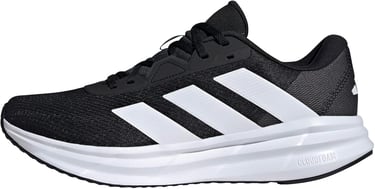
adidas Men's Galaxy 7 Running Shoes
Supportive running shoes with a cushioned feel
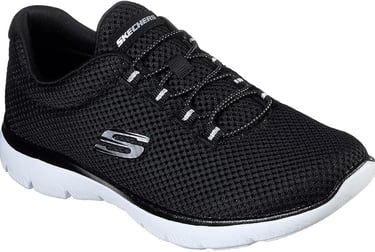
Skechers Women's Summits Trainers
Most comfortable walking shoes for women
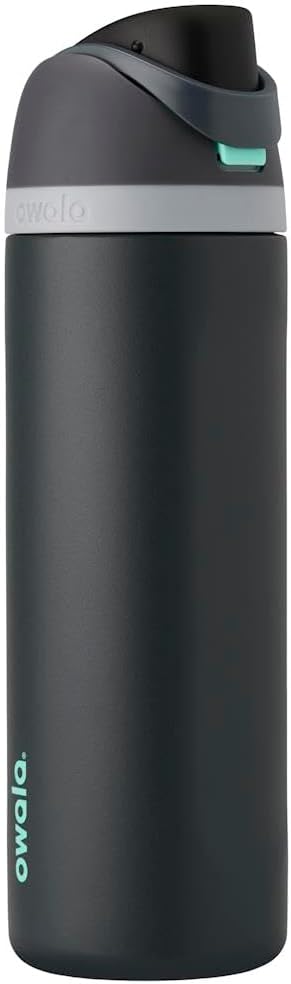
Owala FreeSip Stainless Steel Leak Proof Water Bottle for Sports
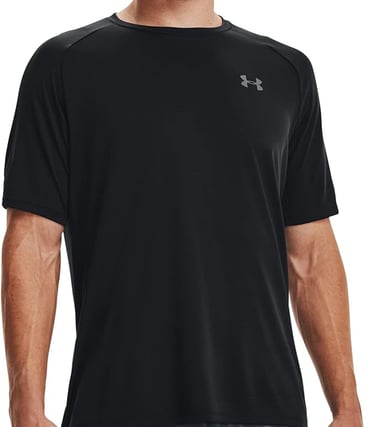
Under Armour Men's Tech 2.0 Short Sleeve T-Shirt
Light weight UA tech material that feels ultra-soft

adidas Essentials Linear Cotton T-Shirt
Breathable material that feels super comfortable
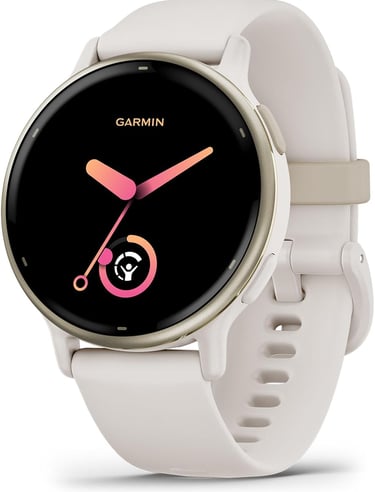
Garmin vívoactive 5 GPS Smartwatch, AMOLED Touchscreen
Health & fitness smart watch with various features to plan and track your progress


RECOMMENDED
You may also like
Newsletter
info@amazinglifestyle.com
© 2026 All rights reserved