London Zoo to Let Visitors Watch Animal Post-Mortems in Bold New £20m Centre
In a groundbreaking move, the zoo’s new veterinary facility will offer rare public access to animal procedures—aimed at educating visitors and tackling the growing crisis facing marine wildlife.
Stella Florence is a lifestyle author covering fashion, travel, wellness, faith, food, and home living. She shares practical, well-researched advice to inspire readers to live healthier, happier lives and discover the joy of making life amazing with God at its centre.
4/29/20263 min read
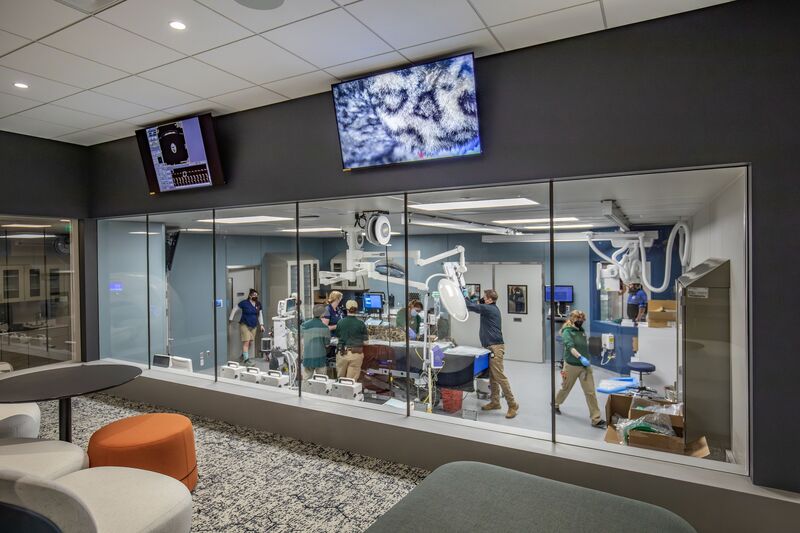
A quiet revolution is taking place at London Zoo—one that could change how we understand animals, conservation and science itself. To mark its 200th anniversary, the Zoological Society of London (ZSL) is unveiling a £20 million wildlife health centre that brings the public closer to veterinary science than ever before.
At the heart of this ambitious project is something entirely new to the UK: a veterinary hospital viewing gallery, where visitors will be able to observe real procedures—from routine health checks to post-mortem examinations of dolphins and porpoises. It’s a bold move designed not to shock, but to educate, inspire and spark deeper awareness of the challenges facing wildlife today.


A New Era of Transparency in Animal Care
Zoos have long been places where people observe animals from a distance. This new facility turns that idea on its head. Instead of simply watching animals in enclosures, visitors will gain rare insight into the behind-the-scenes work that keeps them healthy.
Through large viewing windows and live educational displays, guests will be able to see everything from X-rays on endangered frogs to disease monitoring in hazel dormice. More strikingly, they may also witness post-mortem examinations of marine mammals—an essential part of understanding why increasing numbers of dolphins and porpoises are washing up on UK shores.
This level of transparency is central to ZSL’s mission. By opening up veterinary science to the public, the zoo hopes to demystify the work of conservationists and highlight the care, precision and expertise involved in protecting wildlife.


Why Dolphin Post-Mortems Matter More Than Ever
The decision to include cetacean post-mortems is rooted in a growing environmental concern. Across the UK, strandings of dolphins, whales and porpoises have risen dramatically in recent decades.
In Scotland, numbers have tripled since the 1990s, while Cornwall has recorded more than 200 dolphin strandings annually in recent years. Scientists believe this increase is driven by a complex mix of factors—from fishing-related injuries to climate change altering migration patterns and food sources.
There is also emerging evidence of unusual predation, including incidents involving grey seals along parts of the UK coastline. Each stranded animal represents a crucial opportunity for researchers to investigate these threats.
By studying these animals in detail, scientists can better understand the pressures facing marine life—and develop strategies to protect them in the future.


Engaging the Public in Conservation
One of the most powerful aspects of the new centre is its focus on public engagement. By allowing visitors to witness real veterinary work, ZSL is encouraging a deeper connection between people and the natural world.
Seeing the realities of animal health—both the successes and the challenges—can foster a stronger sense of responsibility. Visitors are not just passive observers; they become participants in a broader conversation about conservation, climate change and human impact on ecosystems.
Educational programmes linked to the facility will further explore topics such as marine biology, disease prevention and the effects of pollution, helping to bridge the gap between scientific research and everyday understanding.


Looking Ahead: The Future of Wildlife Care
As London Zoo enters its third century, this new facility signals a shift in what a modern zoo can be. It’s no longer just about showcasing animals—it’s about advancing science, promoting transparency and inspiring action.
With plans for future collaborations with universities and research institutions, ZSL is positioning itself as a leader in wildlife health and conservation. The insights gained here could play a crucial role in protecting species both in captivity and in the wild.
Ultimately, this initiative reflects a simple but powerful idea: the more people understand about wildlife, the more they will care about its future.
And by opening its doors to the realities of veterinary science—even the most complex and challenging aspects—London Zoo is inviting the public to be part of that journey.
RECOMMENDED
You may also like


Advertisement
info@amazinglifestyle.com
© 2026 All rights reserved
Follow us on:

