5 Korean Skincare Products Worth Trying in 2026 — Ingredients, Benefits and Who They're Best For
Korean skincare products for glass skin these formulas work synergistically and suit a wide range of skin types.
Stella Florence is a lifestyle author covering fashion, travel, wellness, faith, food, and home living. She shares practical, well-researched advice to inspire readers to live healthier, happier lives and discover the joy of making life amazing with God at its centre.
4/19/202613 min read


Do you really need all five?
No — and this is one of the biggest misconceptions surrounding Korean skincare.
You can have an effective routine without following a ten-step programme.
In fact, the American Academy of Dermatology has highlighted the importance of keeping routines simple and consistent rather than assuming that more products automatically produce better skin.
A sensible beginner routine might look like this:
Morning
1. Gentle cleanser, if needed
2. One hydrating or targeted serum
3. Moisturiser
4. Broad-spectrum SPF 30+ sunscreen
Evening
1. Cleanser
2. One treatment or serum
3. Moisturiser
That's enough for many people.
You can add other products if you have a specific reason for doing so.
How to introduce a new skincare product
One of the easiest mistakes to make is introducing several products simultaneously.
If your skin reacts, you then have no idea which product caused the problem.
The American Academy of Dermatology recommends testing skincare products before incorporating them fully into a routine. Its guidance suggests applying the product to a small test area twice daily for seven to 10 days and watching for reactions such as redness, itching or swelling.
A sensible approach is:
Step 1: Introduce one product
Don't change your entire routine on the same day.
Step 2: Start gradually
Follow the manufacturer's instructions rather than assuming more product will produce faster results.
Step 3: Watch your skin
Pay attention to burning, persistent redness, itching, swelling or significant dryness.
Step 4: Stop if you develop a significant reaction
Don't continue using a product simply because it is expensive or popular.
Step 5: Give your routine time
Constantly changing products makes it difficult to determine what is actually working.
What about retinol?
Retinol and other retinoids are often mentioned alongside Korean skincare because they are widely used in routines aimed at acne, pigmentation and signs of skin ageing.
But retinoids aren't suitable for everyone.
The American Academy of Dermatology notes that retinoids can be useful for certain concerns, including mild acne, pigmentation irregularities and fine lines, but they can also cause irritation and increased sensitivity. It recommends discussing retinoid use with a dermatologist when appropriate.
If you're new to skincare, there is no reason to introduce several active ingredients at once.
Start with a simple routine first.
Skincare ingredients worth knowing
Understanding ingredients is often more useful than memorising product names.
Niacinamide
A form of vitamin B3 commonly used in skincare products targeting uneven-looking skin tone, visible pores and the appearance of the skin barrier.
Hyaluronic acid
A humectant commonly used to help increase skin hydration.
Panthenol
Also known as provitamin B5, panthenol is commonly included in formulations designed to moisturise and soothe the skin.
Centella Asiatica
Often called cica, this botanical ingredient is particularly associated with soothing and redness-focused skincare.
Snail secretion filtrate
Used in products such as COSRX's Snail 96 Essence primarily for its moisturising and conditioning properties.
Propolis
A bee-derived ingredient used in skincare formulations for conditioning and antioxidant-focused care.
The important lesson is that an ingredient name alone doesn't tell you whether a product is right for you. The concentration, overall formula, your skin type and how frequently you use it all matter.
Common Korean skincare mistakes to avoid
Mistake 1: Buying everything at once
A ten-step routine isn't automatically better than a four-step routine.
Mistake 2: Using too many active ingredients
Combining several exfoliating or treatment products can increase irritation.
Mistake 3: Ignoring sunscreen
A collection of expensive serums cannot replace sensible sun protection.
Mistake 4: Changing products every few days
Give a routine time and change only one variable when possible.
Mistake 5: Assuming “natural” means irritation-free
Botanical ingredients can still cause reactions.
Mistake 6: Buying because something is viral
Popularity is not the same thing as suitability.
Mistake 7: Ignoring your skin type
A product that feels wonderful on dry skin may feel too heavy on oily skin, while a lightweight product may not provide enough moisture for someone with very dry skin.
Can Korean skincare give you “glass skin”?
The phrase “glass skin” has become synonymous with the K-beauty aesthetic: exceptionally smooth, hydrated and luminous-looking skin.
But it is better understood as a beauty ideal rather than a medical outcome.
Your genetics, age, skin type, environment, hormones and lifestyle all influence how your skin looks.
No skincare product can guarantee a permanently poreless, perfectly smooth complexion.
A better goal is healthy-looking, comfortable skin with a routine that you can maintain consistently.
What Korean skincare cannot do
It is worth being realistic about skincare.
A cosmetic product cannot guarantee that it will:
permanently remove acne
eliminate scars
permanently shrink pores
erase wrinkles
cure a skin condition
transform your natural skin type
produce perfect skin overnight
If you have persistent acne, significant redness, unexplained rashes, painful skin, sudden changes in pigmentation or another ongoing concern, consider speaking to a qualified healthcare professional or dermatologist rather than continually changing cosmetic products.
Frequently Asked Questions
Are Korean skincare products suitable for every skin type?
No. Korean skincare is a broad category rather than a single type of formulation. Products can be designed for dry, oily, combination, sensitive or normal skin, so check the ingredients and intended use before buying.
Do I need a 10-step Korean skincare routine?
No. A simple routine can be enough. Cleansing, moisturising and daily sun protection are more important than collecting a large number of products.
Can I use snail mucin every day?
COSRX's directions allow its Snail 96 Mucin Essence to be used after cleansing and toning and followed by moisturiser. However, individual tolerance varies, so introduce it gradually if you're unsure how your skin will respond.
Is Korean skincare good for sensitive skin?
Some Korean products are formulated with sensitive skin in mind, but “K-beauty” does not automatically mean a product is suitable for sensitive skin. Always check the ingredient list and patch-test new products.
Can I use niacinamide with other skincare ingredients?
Niacinamide is used in many multi-ingredient formulations, but your overall routine matters. If you're using several active ingredients, introduce them gradually rather than starting everything simultaneously.
Should I use Korean skincare in the morning or at night?
It depends on the product. Hydrating serums can often be used morning or evening, while some treatment products are better suited to nighttime use. Always follow the manufacturer's directions.
Do I still need sunscreen?
Yes. A skincare routine containing serums and moisturisers does not remove the need for appropriate sun protection. Dermatologists recommend broad-spectrum SPF 30 or higher.
How long should I use a product before deciding whether I like it?
That depends on the product and what you are trying to achieve. Hydration and texture can sometimes feel different relatively quickly, while concerns such as pigmentation or acne generally require more patience and may need professional advice.
What should beginners buy first?
Don't start with five products. A gentle cleanser, moisturiser and broad-spectrum SPF 30+ sunscreen provide a sensible foundation. Then add one targeted product based on your specific concern.
Final verdict: Which Korean skincare product should you try?
There isn't one Korean skincare product that is universally “the best”.
The right choice depends on what your skin actually needs.
For hydration: COSRX Snail 96 Mucin Essence or Innisfree Green Tea Seed Hyaluronic Serum.
For extra overnight moisture: Laneige Water Sleeping Mask.
For dull-looking skin and the appearance of pores: Beauty of Joseon Glow Serum.
For visible redness and colour correction: Dr.Jart+ Cicapair Color Correcting Treatment.
But you don't need all five.
The smartest approach is to identify your main skincare concern, choose one suitable product, introduce it gradually and keep the rest of your routine simple.
Ultimately, good skincare isn't about owning the most products. It's about finding products your skin tolerates, using them consistently and protecting your skin from the sun.
Sources and further reading
American Academy of Dermatology — Skin care and sunscreen guidance: Dermatologists' recommendations on building a simple skincare routine, moisturising and sun protection.
American Academy of Dermatology — How to test skin care products: Guidance on introducing new skincare products and monitoring for irritation.
American Academy of Dermatology — Retinoids: Information about retinol and retinoid use and potential irritation.
COSRX — Advanced Snail 96 Mucin Power Essence: Current product information, ingredients and directions.
Laneige — Water Sleeping Mask: Current product ingredients and precautions.
Beauty of Joseon — Glow Serum: Current ingredients, usage information and patch-test recommendation.
Innisfree — Green Tea Seed Hyaluronic Serum: Current ingredient and product information.
Dr.Jart+ — Cicapair: Current information about Centella Asiatica, colour correction and SPF 30 formulation.
Editorial note
Product formulations can change, and individual skin can respond differently to the same ingredient. Always check the manufacturer's current packaging and ingredient list before use. This article is intended for general skincare information and does not replace personalised medical advice from a qualified healthcare professional.
Affiliate disclosure
Some links on Amazing Lifestyle may be affiliate links. If you purchase a product through an affiliate link, we may receive a commission at no additional cost to you. Our editorial recommendations are based on the product's intended use, ingredients, practicality and suitability for different skincare needs rather than solely on whether a product is available through an affiliate retailer.
RECOMMENDED
10 Best foods for weight loss, according to nutrition experts.
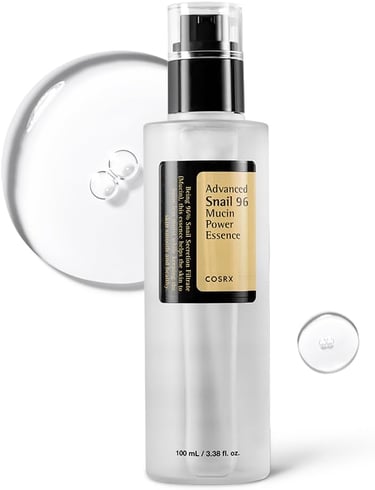
Price: £13.00 - £18.00 for 100ml
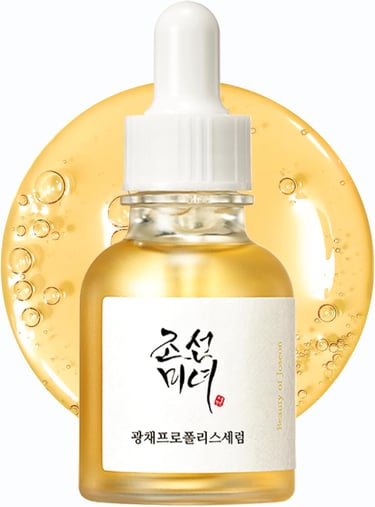
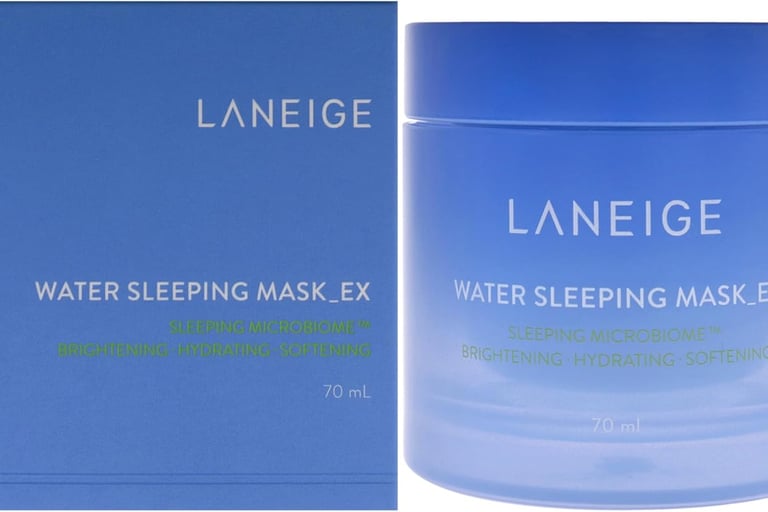
Price: £20.00 - £28.00 for 70ml
Price: £13.00 - £15.00 for 30ml
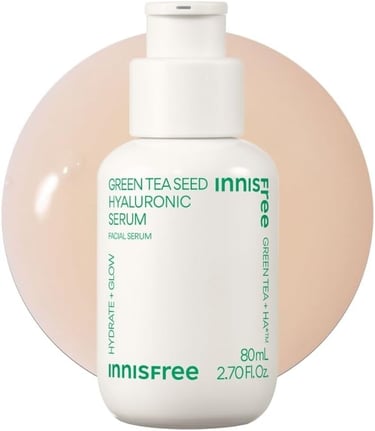
Price: £25.00 - £30.00 for 80ml
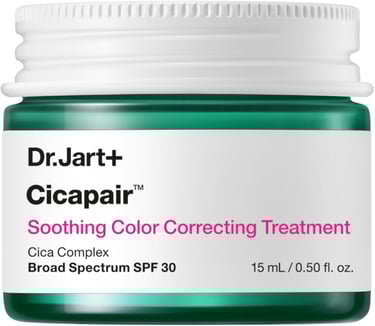
Price: £40.00 - £45.00 for 50ml

Korean skincare, often called K-beauty, has become one of the world's most influential beauty trends. From lightweight hydrating essences to calming centella-based creams, Korean brands have helped popularise the idea that skincare can be both enjoyable and highly focused on maintaining the skin's moisture barrier.
But there is a downside to the popularity of K-beauty: there are now thousands of products competing for attention, and it can be difficult to know which ones are actually worth considering.
You do not need a ten-step routine or a bathroom cabinet full of expensive products to look after your skin. A simple routine built around cleansing, moisturising and daily sun protection can provide a strong foundation. The American Academy of Dermatology recommends broad-spectrum sunscreen with an SPF of 30 or higher as part of everyday sun protection, while also emphasising that consistency is more important than using a large number of products.
With that in mind, we have selected five well-known Korean skincare products that each serve a different purpose. Rather than simply telling you what to buy, this guide explains what each product is designed to do, its key ingredients, who may find it useful, potential drawbacks and where it fits into a straightforward skincare routine.
How we selected these Korean skincare products
Popularity alone isn't a particularly useful way to choose skincare.
For this guide, we looked at products that have a clear purpose within a skincare routine, are from established Korean beauty brands, use recognisable ingredients and cover different skincare needs.
We also considered whether each product gives the user something different.
For example, there is little benefit in recommending five products that all perform essentially the same role. Instead, this list includes products focused on hydration, overnight moisturising, glow and texture, moisture-barrier support and visible redness.
The aim isn't to suggest that these are the only good Korean skincare products available. They are examples of products worth investigating if their ingredients and intended use match your skin's needs.
1. COSRX Advanced Snail 96 Mucin Power Essence
Best for: Hydration, dryness and dull-looking skin
COSRX's Advanced Snail 96 Mucin Power Essence is one of the best-known products in modern K-beauty.
Its unusual selling point is right there in the name: the formula contains 96.3% snail secretion filtrate, alongside ingredients including betaine, sodium hyaluronate, allantoin and panthenol. According to COSRX, the product is designed to provide hydration, support the appearance of the skin barrier and improve the appearance of post-breakout marks and uneven texture.
What is snail mucin?
Snail mucin is the secretion produced by snails. In skincare, it is used primarily in products designed to hydrate and condition the skin.
The COSRX formulation also contains sodium hyaluronate, a form of hyaluronic acid, as well as panthenol and allantoin.
That combination makes the product particularly interesting if your main concern is skin that looks or feels dehydrated.
Who might like it?
It may be worth considering if your skin tends to be:
Dry
Dehydrated
Dull-looking
Tight after cleansing
Uneven in texture
How to use it
COSRX recommends applying the essence after cleansing and toning, followed by moisturiser. It can be incorporated into either a morning or evening routine.
A simple routine could be:
Cleanser → Snail essence → Moisturiser → SPF in the morning
Potential drawbacks
The texture is quite distinctive. Some people enjoy the slightly viscous feel, while others may prefer lightweight watery serums.
It is also important not to assume that a product will automatically suit everyone simply because it is marketed for sensitive or stressed skin.
If you are prone to reactions, introduce it gradually and test it before applying it across your face.
Our take
This is probably the most recognisable product on this list, but its popularity doesn't mean everyone needs it.
If your routine already contains an effective hydrating serum or essence, adding another hydrating layer may not make a meaningful difference.
2. Laneige Water Sleeping Mask
Best for: Dry or dehydrated skin that needs extra overnight moisture
The Laneige Water Sleeping Mask is designed to be used at night as the final step of a skincare routine.
The current formulation includes ingredients such as glycerin, trehalose, squalane, niacinamide, sodium hyaluronate, beta-glucan and ceramide NP. Laneige describes the product as an overnight hydration-focused mask.
What makes a sleeping mask different?
A sleeping mask is essentially a leave-on treatment used overnight rather than something you rinse away after a few minutes.
The idea is simple: apply it as the final step of your routine and leave it on while you sleep.
It can be particularly appealing during colder weather, when indoor heating and cold outdoor air can leave skin feeling dry.
Who might like it?
It could be useful if your skin:
Feels tight at night
Looks dehydrated
Becomes dry during winter
Needs a richer final layer
Doesn't feel comfortable with a lightweight moisturiser alone
How to use it
Apply it as the final step of your evening routine.
For example:
Cleanser → Serum → Moisturiser → Sleeping mask
You don't necessarily need to use it every night. For some people, using an additional moisturising layer occasionally may be enough.
Something to consider
The formulation contains fragrance, along with fragrance-related ingredients such as limonene and linalool.
That doesn't mean the product will cause a problem for everyone, but people with particularly reactive skin should pay attention to how their skin responds.
Laneige also advises stopping use if redness, itching, swelling or other irritation occurs and avoiding application to damaged or broken skin.
Our take
This is a good example of a product that is optional rather than essential.
If your regular moisturiser already leaves your skin comfortable and hydrated, you may not need a separate sleeping mask.
3. Beauty of Joseon Glow Serum: Propolis + Niacinamide
Best for: Dull-looking skin, hydration and the appearance of pores
Beauty of Joseon's Glow Serum combines propolis extract and niacinamide and also contains betaine salicylate, a BHA ingredient. The manufacturer's current formulation lists 60% propolis extract and 2% niacinamide.
Why are propolis and niacinamide interesting?
Propolis is a substance produced by bees and is used in cosmetics for its conditioning and soothing properties.
Niacinamide, a form of vitamin B3, is widely used in skincare formulations designed to support the appearance of uneven skin tone, pores and the skin barrier.
The serum also contains BHA, so it isn't simply a basic moisturising serum.
Who might like it?
It may appeal to people concerned about:
Dull-looking skin
Uneven-looking skin tone
Visible pores
Excess oil
Rough-looking texture
How to use it
Apply a small amount after cleansing and before moisturiser.
For daytime use, finish with sunscreen.
Beauty of Joseon specifically recommends a 24-hour patch test for sensitive skin and advises wearing sunscreen during the day when using the product.
A word about sensitive skin
Because this serum contains a BHA-related ingredient, it isn't necessarily the first product I'd choose for someone whose skin is already irritated.
Introducing several exfoliating or active products at once can make it difficult to work out which one is causing irritation.
Our take
This is one of the more interesting choices on the list if you want a product that goes beyond simple hydration.
However, don't expect an overnight transformation.
Skincare generally works best when you use a suitable routine consistently rather than continually switching products in search of instant results.
4. Innisfree Green Tea Seed Hyaluronic Serum
Best for: Dehydrated and tight-feeling skin
Innisfree's Green Tea Seed Hyaluronic Serum is another hydration-focused product, but its formulation takes a broader approach.
The current ingredient information lists green tea water, hyaluronic acid, panthenol, niacinamide, squalane and other moisturising ingredients. Innisfree describes the formula as being designed to support hydration and the skin's moisture barrier.
Why hyaluronic acid?
Hyaluronic acid is widely used in moisturising products because it helps attract and retain water.
In this serum it is combined with other ingredients rather than being used alone.
Who might like it?
It may suit people who experience:
Tight-feeling skin
Dehydration
Dryness after cleansing
A lack of comfortable moisture
Dull-looking skin
How to use it
Use after cleansing and before moisturiser.
A simple routine could be:
Cleanser → Green Tea Seed Hyaluronic Serum → Moisturiser
In the morning, add sunscreen.
One important point
Hydrating serums don't replace sunscreen.
If you're trying to protect your skin from premature sun-related ageing and UV damage, daily sun protection remains much more important than adding another serum.
The American Academy of Dermatology recommends broad-spectrum SPF 30 or higher and explains that sunscreen helps protect against sunburn, skin cancer and premature ageing.
Our take
If hydration is your main goal, this is arguably more straightforward than choosing a complicated multi-active routine.
5. Dr.Jart+ Cicapair Soothing Color Correcting Treatment SPF 30
Best for: Visible redness and uneven-looking skin tone
Dr.Jart+'s Cicapair range is built around Centella Asiatica, commonly called cica or tiger grass.
The current Cicapair Soothing Color Correcting Treatment uses a green-to-beige formula designed to visually neutralise redness while providing moisturising care. Dr.Jart+ lists Centella Asiatica extracts as a key part of the formula and states that the product provides SPF 30 protection.
Why is it green?
This is where the product becomes particularly interesting.
Green sits opposite red on the traditional colour wheel. Green pigments can therefore visually neutralise the appearance of redness when applied to the skin.
So part of the product's appeal isn't simply skincare — it is also colour correction.
Who might like it?
It may be worth considering if you want to:
Reduce the appearance of facial redness
Even out the appearance of your complexion
Reduce the need for heavier foundation
Add light coverage to your morning routine
How to use it
Apply a small amount after your skincare routine and blend it into the skin.
Dr.Jart+ describes it as a colour-correcting product that can be worn alone or used as a base before makeup.
But don't treat SPF 30 as your entire sun strategy
Even when a cosmetic product contains SPF, application amount matters.
If you're relying on sunscreen for protection, make sure your primary sunscreen provides appropriate broad-spectrum protection and is applied according to its instructions.
The American Academy of Dermatology recommends broad-spectrum SPF 30 or higher and explains that sunscreen should be applied before going outdoors and reapplied when appropriate.
Our take
This is the most different product on our list because it combines skincare, colour correction and sun protection.
It's particularly interesting if visible redness is one of your main cosmetic concerns.
However, persistent facial redness can have many causes. A cosmetic product can change the appearance of redness but doesn't diagnose or treat the underlying cause.
Which product is best for your skin?
Rather than buying all five, start with the concern you actually want to address.
> If your skin feels dry or dehydrated
Consider:
COSRX Snail 96 Mucin Essence
or
Innisfree Green Tea Seed Hyaluronic Serum
You probably don't need both initially.
> If you want extra overnight moisture
Consider:
Laneige Water Sleeping Mask
particularly when your regular moisturiser doesn't feel sufficient.
> If your skin looks dull or your pores are a concern
Consider:
Beauty of Joseon Glow Serum
but introduce it gradually, particularly if you're sensitive to exfoliating ingredients.
> If redness is your main cosmetic concern
Consider:
Dr.Jart+ Cicapair Color Correcting Treatment
because it combines a skincare-focused formula with green colour correction.
You may also like


Advertisement
info@amazinglifestyle.com
© 2026 All rights reserved
Follow us on:

