Eggs and Brain Health: Can eating one a day really reduce Dementia risk? What the research says
Eggs provide choline, vitamin B12, protein and other nutrients important to normal health, but can one egg a day really protect the brain? We look at the latest research, what it can—and cannot—tell us about dementia risk, and the lifestyle habits that matter most for healthy ageing.
Stella Florence is a lifestyle author covering fashion, travel, wellness, faith, food, and home living. She shares practical, well-researched advice to inspire readers to live healthier, happier lives and discover the joy of making life amazing with God at its centre.
5/9/202612 min read


Eggs have long been a convenient source of protein and essential nutrients. They are affordable, versatile and easy to include in everything from breakfast to salads and evening meals.
But recently, eggs have attracted particular attention for another reason: could eating them regularly be associated with better brain health as we age?
The answer is interesting—but it isn't as simple as saying that one egg a day prevents dementia.
Recent research has found associations between moderate egg consumption and certain measures of cognitive health. A 2025 systematic review of studies involving more than 38,000 healthy adults found that some studies linked moderate egg consumption with a lower risk of dementia or cognitive impairment, while other findings were less consistent. The researchers concluded that more well-controlled studies are needed.
A separate systematic review and meta-analysis published in 2026 also reported that egg consumption around 50–60g per day was associated with a lower risk of cognitive decline. However, an association does not establish that eggs themselves prevent dementia.
So what should we actually make of the evidence?
The important distinction: association is not prevention
This is the most important point to understand.
If researchers observe that people who regularly eat eggs have a lower rate of cognitive decline, that doesn't automatically mean the eggs caused the difference.
People who eat eggs regularly may also differ in other ways. Their overall diet, physical activity, socioeconomic circumstances, general health and other lifestyle habits could influence their risk.
This is why nutrition research needs to be interpreted carefully.
The current evidence is interesting and potentially encouraging, but it is not strong enough to recommend eggs as a treatment for dementia or to claim that eating one egg every day will prevent it.
That distinction makes the story much more useful—and much more honest.
Why are eggs being studied for brain health?
Eggs contain several nutrients that are important for normal physiological function. These include:
Choline
Vitamin B12
Riboflavin
Selenium
Protein
Lutein
Zeaxanthin
Vitamin D in smaller amounts
Other vitamins and minerals
The yolk contains many of these nutrients, which is one reason that eating the whole egg provides a broader nutritional profile than eating only the white.
But it is important to distinguish between:
“This nutrient is important for the body”
and
“Eating a food containing this nutrient prevents dementia.”
The first statement may be well established. The second requires much stronger evidence.
1. Eggs are a useful source of choline
Choline is an essential nutrient involved in several important processes in the body. It is used to make acetylcholine, a neurotransmitter involved in functions including memory and learning.
Egg yolks are particularly rich in choline, which makes eggs one convenient way of obtaining this nutrient through food. However, the presence of choline in eggs doesn't mean that eating eggs automatically prevents Alzheimer's disease or other forms of dementia.
Researchers are still investigating exactly how dietary choline relates to long-term cognitive health.


2. Research has found an interesting association with dementia risk
This is where the story becomes particularly interesting.
A 2024 study from the Rush Memory and Aging Project followed 1,024 older adults for an average of around 6.7 years. Researchers found that people who reported eating more than one egg per week had a lower observed risk of Alzheimer's dementia than those reporting less frequent consumption. The study also found associations with lower Alzheimer's-related brain pathology among participants who underwent autopsy.
However, this was an observational study.
That means it can identify an association but cannot prove that eating eggs caused the lower risk.
The study also explored whether dietary choline might partly explain the association, which provides an interesting avenue for further research. This is a good example of why headlines about nutrition need context.
Promising association? Yes.
Proof that eggs prevent Alzheimer's disease? No.
3. A 2025 review found mixed evidence
A systematic review published in 2025 examined research into whole-egg consumption and cognitive outcomes in healthy adults.
The review included 11 studies involving more than 38,000 participants.
Two studies reported a reduced risk of dementia or cognitive impairment associated with moderate egg consumption, while another found increased risk at higher intake levels.
Other studies reported improvements in particular cognitive measures, such as memory or processing speed.
The researchers concluded that the findings were inconsistent and that differences between the studies made it difficult to determine an ideal amount of egg consumption. They called for better-controlled intervention studies.
That's an important finding.
It means we shouldn't turn a developing area of research into a definitive dietary prescription.
4. Newer research continues to investigate the question
A 2026 systematic review and dose-response meta-analysis looked at 21 studies involving nearly 100,000 people.
The researchers reported that egg consumption closest to approximately 50–60g per day was associated with a lower risk of cognitive decline in longitudinal studies.
They also reported a U-shaped relationship, with the lowest observed risk around that intake range.
However, even a large meta-analysis of observational studies cannot by itself prove that eating one egg each day prevents dementia.
This is why the most accurate conclusion is:
Egg consumption is an interesting area of dementia research, but eggs should be viewed as one nutritious food within an overall healthy diet—not as a dementia-prevention treatment.


5. Eggs provide vitamin B12
Vitamin B12 is important for normal red blood cell formation and nervous-system function.
Eggs provide some vitamin B12, although the amount isn't enough to make them a complete solution for people with a deficiency.
B12 deficiency can cause neurological problems, which is one reason maintaining adequate intake is important.
However, if someone has symptoms of deficiency or is at increased risk, the appropriate response isn't simply to start eating more eggs.
They should speak to a healthcare professional about whether testing or supplementation is appropriate.
6. Eggs provide high-quality protein
Protein is important throughout life, including during older age. Maintaining adequate protein intake can help support muscle mass and physical function. That matters because healthy ageing isn't just about the brain.
Maintaining strength, mobility, independence and nutritional status are all important parts of ageing well. Eggs can be a convenient source of high-quality protein, particularly for people who find them easy to prepare and eat.
But protein doesn't have to come from eggs. Other sources include:
Fish
Poultry
Dairy foods
Beans
Lentils
Tofu
Nuts and seeds
A varied diet is generally preferable to relying heavily on one food.
7. Eggs contain lutein and zeaxanthin
Egg yolks contain lutein and zeaxanthin, carotenoid compounds better known for their role in eye health.
These compounds can also be found in the brain, and researchers have investigated whether higher levels may be associated with cognitive performance.
This is another area where the science is interesting but shouldn't be exaggerated.
Having a nutrient associated with a biological process does not mean that eating a particular food will prevent a disease.
It is better to think of eggs as contributing useful nutrients to an overall healthy diet.
8. Eggs can fit into a Mediterranean-style eating pattern
The food you eat with your egg may be just as important as the egg itself.
Consider the difference between:
Egg + vegetables + wholegrain toast
and
Egg + processed meat + refined bread + large amounts of saturated fat
Both contain an egg, but the overall meal is very different. For general health, build meals around a variety of foods. Try combining eggs with:
Spinach
Tomatoes
Mushrooms
Peppers
Beans
Wholegrain bread
Other vegetables
Fruit
Plain yoghurt
The goal isn't to create a “magic brain breakfast”. It is to create a nutritious dietary pattern that can be sustained over time.


9. How you cook eggs matters less than your overall diet
There is no single cooking method that magically makes eggs “brain protective”.
You can enjoy eggs:
Boiled
Poached
Scrambled
Baked
In an omelette
What matters more is the overall meal and dietary pattern.
For example, an omelette packed with vegetables can be a very different nutritional proposition from eggs regularly served alongside large amounts of processed meat and heavily refined foods.
If you are concerned about heart health or cholesterol, your individual circumstances also matter.
People with particular medical conditions should discuss their diet with their GP or a registered dietitian rather than following generic internet rules.
10. You don't need to eat eggs to have a brain-healthy diet
This is another point worth making. Eggs can be nutritious.
But they are not essential for maintaining a healthy brain. Someone who doesn't eat eggs can obtain important nutrients from other foods.
For example:
Choline
Sources include soybeans, meat, fish, dairy products and some vegetables.
Protein
Sources include beans, lentils, tofu, fish, dairy products, poultry and nuts.
B vitamins
These are found across a wide variety of foods.
This is why a balanced dietary pattern is more important than any single food.


What actually helps reduce dementia risk?
If you're interested in protecting your brain as you age, don't focus entirely on eggs.
The NHS advises that several lifestyle factors can help reduce dementia risk, including eating a balanced diet, maintaining a healthy weight, exercising regularly, keeping alcohol within recommended limits, stopping smoking and maintaining healthy blood pressure.
These factors are considerably more important than finding one “superfood”.
1. Stay physically active
Regular physical activity benefits cardiovascular health and is part of a healthy lifestyle associated with lower dementia risk.
Walking, cycling, swimming, dancing and strength exercises can all contribute to an active lifestyle.
You don't need to become an elite athlete. Consistency matters.
2. Look after your blood pressure
High blood pressure is one of the modifiable factors associated with dementia risk.
The NHS specifically recommends maintaining healthy blood pressure as part of reducing dementia risk.
If you've been told that your blood pressure is high, follow your healthcare professional's advice.
3. Don't smoke
Smoking affects cardiovascular health and is associated with several serious diseases.
Stopping smoking is one of the most useful things you can do for your overall health.
It is far more important for long-term health than adding a particular “brain food” to your breakfast.
4. Keep alcohol within recommended limits
Excessive alcohol consumption can damage health in numerous ways. Keeping alcohol within recommended limits is part of the NHS advice on reducing dementia risk.
5. Eat a varied diet
Instead of searching for one perfect food, build meals around variety. Aim to include:
Vegetables
Fruit
Wholegrains
Beans and pulses
Nuts and seeds
Fish where appropriate
Healthy sources of protein
Dairy or suitable alternatives
Eggs can comfortably fit into this type of dietary pattern.
6. Keep socially and mentally active
Brain health isn't just about food.
The NHS identifies social isolation and lack of activity among factors associated with dementia risk. Activities such as:
Meeting friends
Learning something new
Reading
Music
Hobbies
Volunteering
Staying involved in your community
can all contribute to a richer and more active lifestyle.
7. Don't ignore hearing problems
Hearing loss is another factor associated with dementia risk.
If you're struggling to hear conversations or frequently asking people to repeat themselves, speak to your GP or appropriate hearing-care professional. Looking after hearing is part of looking after healthy ageing.
So, should you eat one egg every day?
For many people, eggs can be part of a healthy balanced diet.
But there isn't enough evidence to say:
“Everyone should eat exactly one egg every day to prevent dementia.”
That isn't what the current research proves.
The most reasonable conclusion is that moderate egg consumption may be compatible with, and potentially beneficial within, a healthy dietary pattern, while researchers continue to investigate its relationship with cognitive ageing.
If you enjoy eggs, there's no need to remove them simply because you're concerned about brain health. But don't feel that you need to eat eggs if you don't like them.
A simple brain-friendly breakfast
Instead of thinking about a single “dementia-fighting” food, build a balanced meal.
Option 1: Vegetable omelette
Eggs + spinach + mushrooms + tomatoes + wholegrain toast.
Option 2: Boiled egg breakfast
Boiled egg + wholegrain toast + avocado + fruit.
Option 3: Scrambled eggs
Scrambled eggs + spinach + tomatoes + wholegrain toast.
Option 4: Egg and beans
Eggs + beans + vegetables + wholegrain toast.
The important feature is the combination of foods, not a magical property of the egg.
What about egg cholesterol?
Eggs contain dietary cholesterol, particularly in the yolk.
For many healthy people, the relationship between dietary cholesterol and blood cholesterol is more complicated than simply counting the cholesterol in individual foods.
Your overall dietary pattern, saturated-fat intake and individual health circumstances matter too.
If you've been diagnosed with high cholesterol, cardiovascular disease, diabetes or another condition requiring dietary management, follow personalised advice from your healthcare professional.
Don't make major dietary changes based on a headline claiming that eggs are either completely good or completely bad.
Nutrition rarely works that way.


What this research does—and doesn't—tell us
What it suggests
Eggs provide several important nutrients.
Choline is an important nutrient involved in normal brain function.
Some observational studies have found associations between moderate egg intake and better cognitive outcomes.
Recent reviews suggest the relationship deserves further investigation.
What it does not prove
Eating one egg a day prevents dementia.
Eggs can treat Alzheimer's disease.
Everyone should eat exactly one egg daily.
More eggs necessarily mean better brain health.
Egg supplements can prevent cognitive decline.
That distinction is important.
Frequently Asked Questions
Can eating one egg a day prevent dementia?
No. Current research does not establish that eating one egg every day prevents dementia. Some studies have found associations between moderate egg consumption and lower cognitive decline or dementia risk, but more research is needed.
Are eggs good for the brain?
Eggs provide nutrients including choline, vitamin B12, protein, lutein and zeaxanthin that contribute to normal bodily functions. They can be part of a healthy diet, but they should not be considered a standalone treatment for cognitive decline.
How many eggs should I eat?
There is no universally correct number for everyone. Your overall diet and individual health circumstances matter more than following a fixed daily rule.
Does the yolk contain the most nutrients?
Yes. Many of the nutrients that make eggs particularly nutritious, including choline and carotenoids such as lutein and zeaxanthin, are concentrated in the yolk.
Is one egg a day healthy?
For many people, an egg can be part of a balanced diet. However, individual dietary needs vary, particularly for people with certain medical conditions.
Are eggs a “superfood”?
There is no official nutritional category of “superfoods”. Eggs are simply a nutrient-dense food that can contribute useful protein, vitamins and minerals to the diet.
What is more important for dementia prevention than eating eggs?
A broader healthy lifestyle matters much more than any individual food. The NHS recommends focusing on physical activity, a balanced diet, healthy weight, blood pressure, not smoking and keeping alcohol within recommended limits.
Can eggs improve memory?
Eggs contain nutrients involved in normal brain function, but eating eggs should not be presented as a guaranteed way to improve memory. Research into whole-egg consumption and cognitive outcomes is still developing.
Conclusion
The humble egg deserves attention—but not because it is a miracle cure for dementia.
Eggs are an affordable and nutritious source of protein and several important nutrients, including choline and vitamin B12. Research has also found intriguing associations between moderate egg consumption and cognitive health.
But an association is not proof of prevention.
The latest evidence suggests that eggs can be part of a healthy dietary pattern, while researchers continue to investigate whether and how egg consumption might influence cognitive ageing.
If your goal is to protect your brain as you get older, think bigger than breakfast.
Eat a varied diet.
Stay physically active.
Look after your blood pressure.
Don't smoke.
Keep alcohol within recommended limits.
Stay socially and mentally active.
And deal with health problems early.
So, if you enjoy an egg for breakfast, enjoy it. Just don't expect one egg to do the job of an entire healthy lifestyle.
Sources and further reading
NHS — Can dementia be prevented?
The NHS explains the lifestyle factors that may help reduce dementia risk, including physical activity, healthy diet, blood-pressure management, stopping smoking and moderating alcohol.
Egg intake and cognitive function in healthy adults — systematic review
A 2025 systematic review examined research involving more than 38,000 adults and concluded that the evidence linking whole-egg consumption with cognitive outcomes remains mixed and requires further research.
Egg Consumption and Cognitive Function — systematic review and dose-response analysis
A 2026 review analysed 21 studies involving almost 100,000 participants and reported an association between egg intake around 50–60g per day and lower cognitive-decline risk, while the findings should still be interpreted in the context of observational evidence.
Association of Egg Intake With Alzheimer's Dementia Risk
A study from the Rush Memory and Aging Project examined egg consumption and Alzheimer's dementia in older adults and found an association between more frequent egg intake and lower observed risk. The study was observational and therefore cannot prove causation.
Nutrient supplements that can boost your health
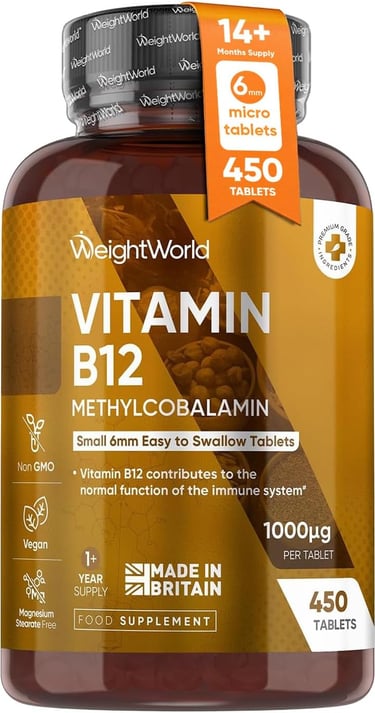
Since vitamin B12 cannot be stored in the internal system, it must be obtained through diet. Naturally present in shellfish, meat, and dairy, maintaining adequate B12 levels can be challenging for vegans and vegetarians. Vitamin B12 Supplements are vegan-friendly and thoughtfully formulated to suit any lifestyle.


VITAMIN B - Solgar Folate (as Metafolin ) 400 µg, the body-ready form of folic acid is a high strength B vitamin and contributes to several processes within the body including homocysteine metabolism, blood formation and reduces tiredness and fatigue.
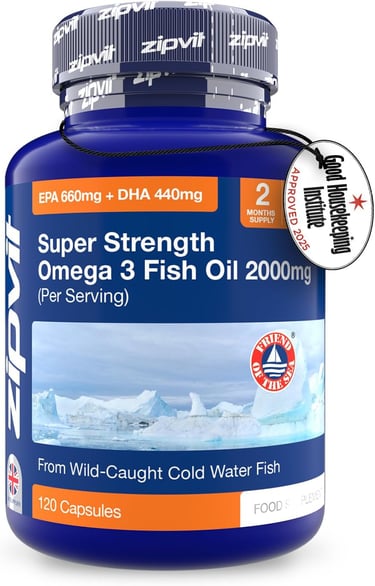
Omega-3 fatty acids play an important role in overall wellbeing and contribute to the maintenance of normal heart, brain and vision function. These fish oil soft gels make it easy to add Omega-3 to your daily routine for everyday support.
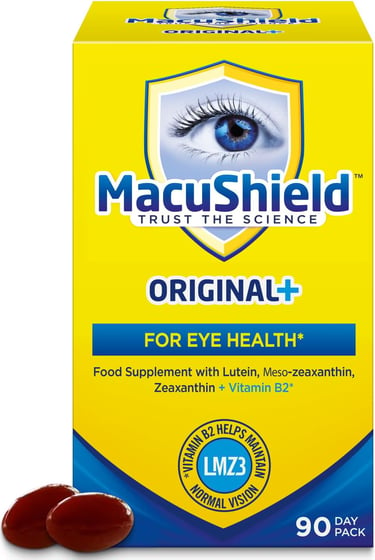
UK’S No.1 eye health supplement with Lutein and Zeaxanthin
SCIENTIFICALLY proven to help support EYE HEALTH. The antioxidants plus a targeted blend of nutrients such as vitamin B2 which is proven to help maintain normal vision.
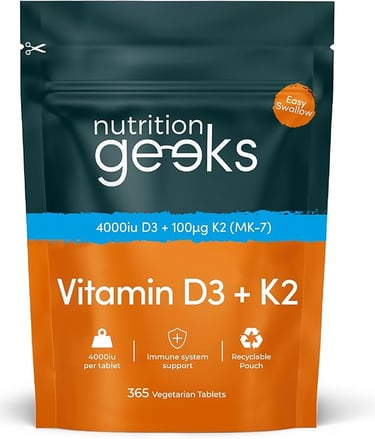
Vitamin D is crucial for bone health and immune support, while Vitamin K2 ensures calcium is deposited in your bones and not the arteries. Our Vitamin D3 and K2 high strength formula is designed for optimal absorption and efficacy.
You may also like


Advertisement
info@amazinglifestyle.com
© 2026 All rights reserved
Follow us on:

