Japanese Walking Explained: What the research says, How to do it and What it can and can't do
Discover how Japanese walking for weight loss can help you burn fat, improve your heart health, and boost energy with a simple 30-minute interval walking workout.
Stella Florence is a lifestyle author covering fashion, travel, wellness, faith, food, and home living. She shares practical, well-researched advice to inspire readers to live healthier, happier lives and discover the joy of making life amazing with God at its centre.
5/10/202610 min read


Walking is one of the simplest ways to become more physically active. You don't need a gym membership, complicated equipment or an advanced fitness routine to get started.
Recently, a style of interval walking sometimes called “Japanese walking” has attracted attention online. Videos and articles often describe it as a simple 30-minute workout that can transform fitness or rapidly change body weight.
The reality is more interesting—and more useful—than those headlines suggest.
Japanese walking is essentially a form of interval walking, where periods of faster walking are alternated with periods of easier walking.
Research on interval walking has found benefits for physical fitness and some health measures, but that does not mean it is a magic weight-loss method or that every claim made online has been scientifically established.
So what exactly is it, where did the idea come from, and how can you use interval walking safely?
What if one of the most effective workouts for weight loss didn’t require a gym membership, expensive equipment, or punishing high-intensity sessions?
What Is Japanese Walking?
The term “Japanese walking” is commonly used online to describe a structured form of interval walking.
Instead of maintaining exactly the same pace throughout a walk, you alternate between:
a faster, more purposeful walking pace
a slower, easier recovery pace
One commonly described format uses several minutes of faster walking followed by several minutes of slower walking, repeated throughout a session.
The idea is simple: change the intensity rather than walking at exactly the same speed for the entire workout.
This makes it a type of interval training rather than a completely new form of exercise.


Where Did the Method Come From?
The method is associated with research conducted in Japan on interval walking training.
Researchers have studied whether alternating higher- and lower-intensity walking could provide improvements in fitness and health while remaining relatively accessible compared with more demanding forms of exercise.
That research is interesting because walking is already a practical form of physical activity for many people.
However, it's important to distinguish between the research protocol and the much broader claims made about “Japanese walking” on social media.
A study of one particular training programme does not automatically prove that every version of the routine produces the same results.
What Does the Research Actually Show?
Research into interval walking has reported improvements in measures of physical fitness and, in some studies, other health-related outcomes.
But there is an important distinction between:
“This type of exercise has been studied and may provide benefits”
and
“This workout will burn abdominal fat, improve your cholesterol and transform your body.”
The second statement goes much further than the evidence allows.
Regular physical activity in general is associated with a range of health benefits. The NHS recommends that adults aim for at least 150 minutes of moderate-intensity activity each week, while also encouraging people to build up gradually if they are currently inactive.
The American College of Sports Medicine likewise emphasises regular physical activity as an important part of maintaining health and managing body weight.


What Japanese Walking May Help With
Cardiovascular fitness
Walking at a faster pace makes your heart and breathing work harder than a very relaxed stroll.
Over time, regular physical activity can help improve cardiovascular fitness.
That doesn't mean every 30-minute session will produce a measurable change. Fitness improvements depend on factors such as starting fitness level, frequency, intensity and consistency.
General physical activity
Perhaps the biggest advantage is simply that interval walking gives people another practical way to be active.
You don't need to run.
You don't need specialised equipment.
And you can perform the basic concept outdoors, on a suitable walking route or in another appropriate environment.
Exercise variety
Doing the same activity at exactly the same pace can become repetitive.
Changing between faster and easier periods provides some variety and can make a walk feel more structured.
Overall wellbeing
Regular physical activity can support physical and mental wellbeing. The NHS notes that being active can help with mood, sleep, energy and stress management.


What Japanese Walking Has NOT Been Proven to Do
This is where online articles often become misleading.
Japanese walking should not be presented as a guaranteed method for:
specifically burning abdominal fat
producing a particular amount of weight loss
“detoxing” the body
fixing insulin resistance
dramatically changing cholesterol
transforming your metabolism
replacing a balanced diet
replacing medical treatment
Those claims require much stronger evidence than simply showing that interval walking can improve fitness.
Can Walking Support Weight Management?
Physical activity uses energy and can form part of a healthy lifestyle.
However, body weight is influenced by many factors, including genetics, development, sleep, nutrition, medications, health conditions and activity levels.
The NHS explains that physical activity can support weight management, but also stresses that healthy eating and sustainable habits matter.
There is therefore no scientifically responsible reason to promise that a particular 30-minute walking routine will produce a specific amount of weight loss.
A Simple 30-Minute Interval Walking Session
If you're already comfortable walking and want to experiment with changing your pace, you can structure a walk around alternating easier and faster periods.
1. Warm up — 5 minutes
Begin at a comfortable pace.
The purpose is to gradually prepare your body rather than immediately starting at a high intensity.
2. Faster walking — 3 minutes
Increase your pace so that you are walking purposefully and breathing more quickly.
You should still be able to control your movement.
3. Easier walking — 3 minutes
Slow down and allow your breathing to settle.
4. Repeat
Continue alternating the faster and easier periods for the remainder of your planned walk.
5. Cool down — 5 minutes
Finish with an easier pace rather than stopping suddenly after your fastest interval.
Important: The exact timing isn't a magic formula. The most useful routine is one that is appropriate for your current fitness level and that you can perform comfortably.
For people who are new to exercise, even a shorter period of activity can be a reasonable starting point. The NHS recommends increasing activity gradually rather than trying to do too much immediately.
Beginner Version
If three-minute faster intervals feel difficult, make them shorter.
For example:
5 minutes: comfortable walking
1 minute: faster walking
2 minutes: comfortable walking
Repeat as appropriate
5 minutes: easy cool-down
The purpose isn't to make yourself exhausted.
The purpose is to introduce small changes in intensity while remaining in control.
Intermediate Version
If you already walk regularly, you may be comfortable with longer periods of purposeful walking.
A possible structure is:
5 minutes: warm-up
3 minutes: faster pace
3 minutes: easier pace
3 minutes: faster pace
3 minutes: easier pace
3 minutes: faster pace
3 minutes: easier pace
4 minutes: cool-down
Adjust the duration and intensity according to your fitness and how you feel.
Four-Week Walking Progression
Instead of promising a particular physical transformation, a more sensible four-week approach is to focus on consistency.
Week 1 — Become Comfortable
Focus on making regular walking part of your routine.
Keep most walks comfortable and introduce only small changes in pace.
Week 2 — Add Intervals
During some walks, experiment with short periods of faster walking followed by easier walking.
The faster sections should still feel manageable.
Week 3 — Build Consistency
Continue the interval sessions that feel comfortable.
You can gradually make the faster periods slightly longer if your body is responding well.
Week 4 — Find Your Sustainable Routine
By this point, you should have a better idea of what feels enjoyable and manageable.
There is no requirement to keep increasing intensity indefinitely.
A routine that you can continue is often more useful than a difficult routine that you abandon after a few days.


How Often Should You Do It?
There isn't one universal schedule that everyone needs to follow.
The NHS recommends that adults aim for at least 150 minutes of moderate activity across the week, with strength-based activity on two days each week.
Importantly, this doesn't mean all 150 minutes have to come from Japanese walking.
You can combine walking with other activities you enjoy.
And if you are currently inactive, starting with smaller amounts and gradually increasing your activity is perfectly reasonable.
Walking Doesn't Have to Be Intense
One misconception surrounding online fitness trends is that exercise only “counts” when it is difficult.
That's not true.
The NHS describes moderate activity as activity that raises your heart rate and makes you breathe faster and feel warmer. One simple test is that you can still talk but would struggle to sing.
Different people will reach that point at different speeds.
Your brisk walking pace might be someone else's normal pace.
That's completely fine.
What About Food?
Walking and nutrition should not be treated as competing solutions.
A balanced diet provides the energy and nutrients your body needs, while physical activity supports fitness and general health.
If your goal is simply to become healthier, focus on eating a varied diet rather than trying to compensate for food with exercise.
The NHS recommends a balanced diet containing a variety of foods from the main food groups.
There is also no need to “earn” meals through exercise.
Food is fuel, nourishment and part of everyday life.
Safety Considerations
Walking is generally accessible, but that doesn't mean everyone should suddenly begin with a demanding interval workout. Start at a level appropriate for you.
Consider:
wearing comfortable, supportive footwear
choosing a safe walking surface
warming up before faster intervals
slowing down when you need to
drinking fluids as appropriate
avoiding exercise when you are unwell
stopping if you feel unwell or experience concerning symptoms
If you have a medical condition, significant exercise limitations or concerns about starting a new exercise routine, speak with an appropriate healthcare professional first.
If you're a young person, your exercise needs are different from adult fitness programmes. Focus on enjoyable movement, sport and everyday activity rather than using exercise as a way to change your body size.
Is Japanese Walking Better Than Normal Walking?
Not necessarily.
Interval walking is simply one way of organising a walk.
For someone who enjoys a steady walk, there is nothing wrong with continuing to walk at a comfortable or brisk pace.
For someone who enjoys changing speeds, intervals can add variety.
The best activity is often the one you enjoy enough to keep doing.
Frequently Asked Questions
Is Japanese walking the same as interval walking?
Essentially, the popular “Japanese walking” label refers to a structured form of interval walking. It isn't a completely separate category of exercise.
Does Japanese walking burn more calories than normal walking?
Changing your pace can increase the intensity of parts of a walk, but the amount of energy used varies between individuals and depends on factors such as pace, duration and body size.
It is not appropriate to promise a specific calorie burn from a 30-minute routine.
Can Japanese walking reduce belly fat?
There is not good evidence that this particular walking method selectively removes fat from one area of the body.
Claims about specifically targeting abdominal fat should therefore be treated cautiously.
Do I need to walk for exactly 30 minutes?
No.
Thirty minutes can be a convenient session length, but it is not a magic number.
Shorter periods of activity can still contribute to your overall activity, and the NHS encourages people who are inactive to start gradually.
Can I do Japanese walking every day?
That depends on your fitness, recovery and the intensity of the sessions.
You don't need to perform interval training every day to benefit from being active. Variety and recovery can be useful parts of a balanced activity routine.
Is Japanese walking suitable for beginners?
The basic concept can be adapted, but beginners should start gently rather than immediately copying a demanding routine.
Even ordinary walking is a useful starting point.
Do I need special equipment?
No specialist equipment is required for basic walking.
Comfortable footwear and a safe environment are more important than buying expensive fitness equipment.
The Bottom Line
Japanese walking is best understood as a structured form of interval walking, not a miracle fitness technique.
The research behind interval walking is interesting, and regular physical activity has well-established benefits. But the evidence does not justify presenting this particular method as a guaranteed solution for weight loss or as a way to target specific areas of body fat.
If you enjoy walking, alternating between faster and easier periods can be a simple way to add variety and challenge.
And if you prefer an ordinary walk?
That's absolutely fine too.
There is no single “perfect” workout.
The most useful routine is one that is safe, enjoyable, appropriate for your abilities and sustainable over time.
References & Further Reading
NHS — Walking for health. Information on brisk walking, gradually increasing activity and general walking benefits.
NHS — How to be more active. Guidance on physical activity, moderate intensity and building activity gradually.
NHS — Calories and weight loss. General information about physical activity and weight management.
NHS — Healthy eating when trying to lose weight. Guidance on balanced eating and sustainable lifestyle changes.
American College of Sports Medicine — Physical Activity Guidelines. Evidence-based guidance on physical activity and health.
American College of Sports Medicine — Being Active for a Healthy Weight. Current information on physical activity and weight management.
Medical Disclaimer
This article is for general educational purposes and is not medical advice. Exercise recommendations can vary according to age, fitness, medical conditions and individual circumstances. If you have concerns about your health or whether a particular activity is suitable for you, consult a qualified healthcare professional.
RECOMMENDED
10 Best foods for weight loss, according to nutrition experts.
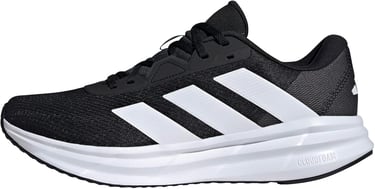
adidas Men's Galaxy 7 Running Shoes
Supportive running shoes with a cushioned feel
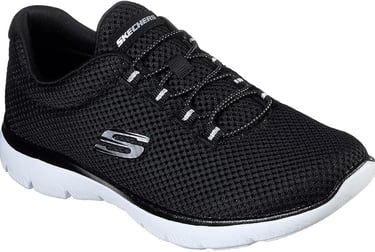
Skechers Women's Summits Trainers
Most comfortable walking shoes for women
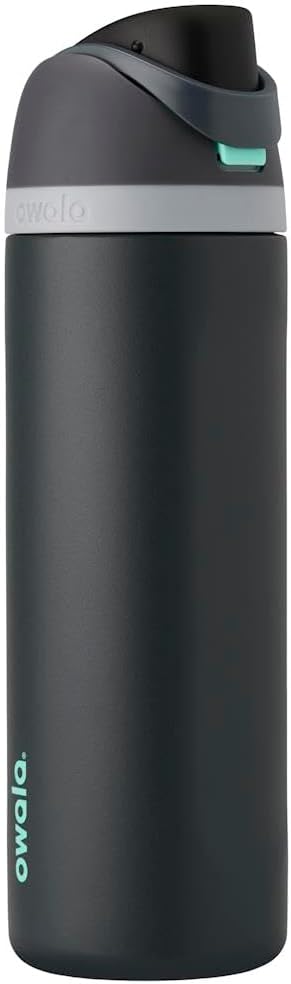
Owala FreeSip Stainless Steel Leak Proof Water Bottle for Sports
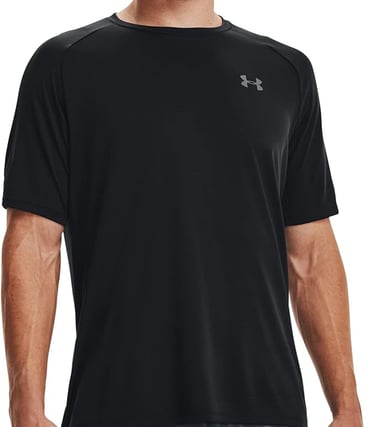
Under Armour Men's Tech 2.0 Short Sleeve T-Shirt
Light weight UA tech material that feels ultra-soft

adidas Essentials Linear Cotton T-Shirt
Breathable material that feels super comfortable
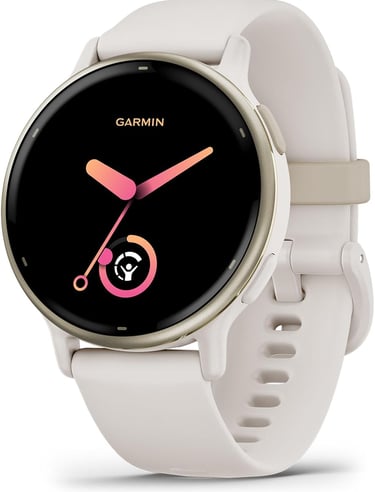
Garmin vívoactive 5 GPS Smartwatch, AMOLED Touchscreen
Health & fitness smart watch with various features to plan and track your progress


You may also like


Advertisement
info@amazinglifestyle.com
© 2026 All rights reserved
Follow us on:

